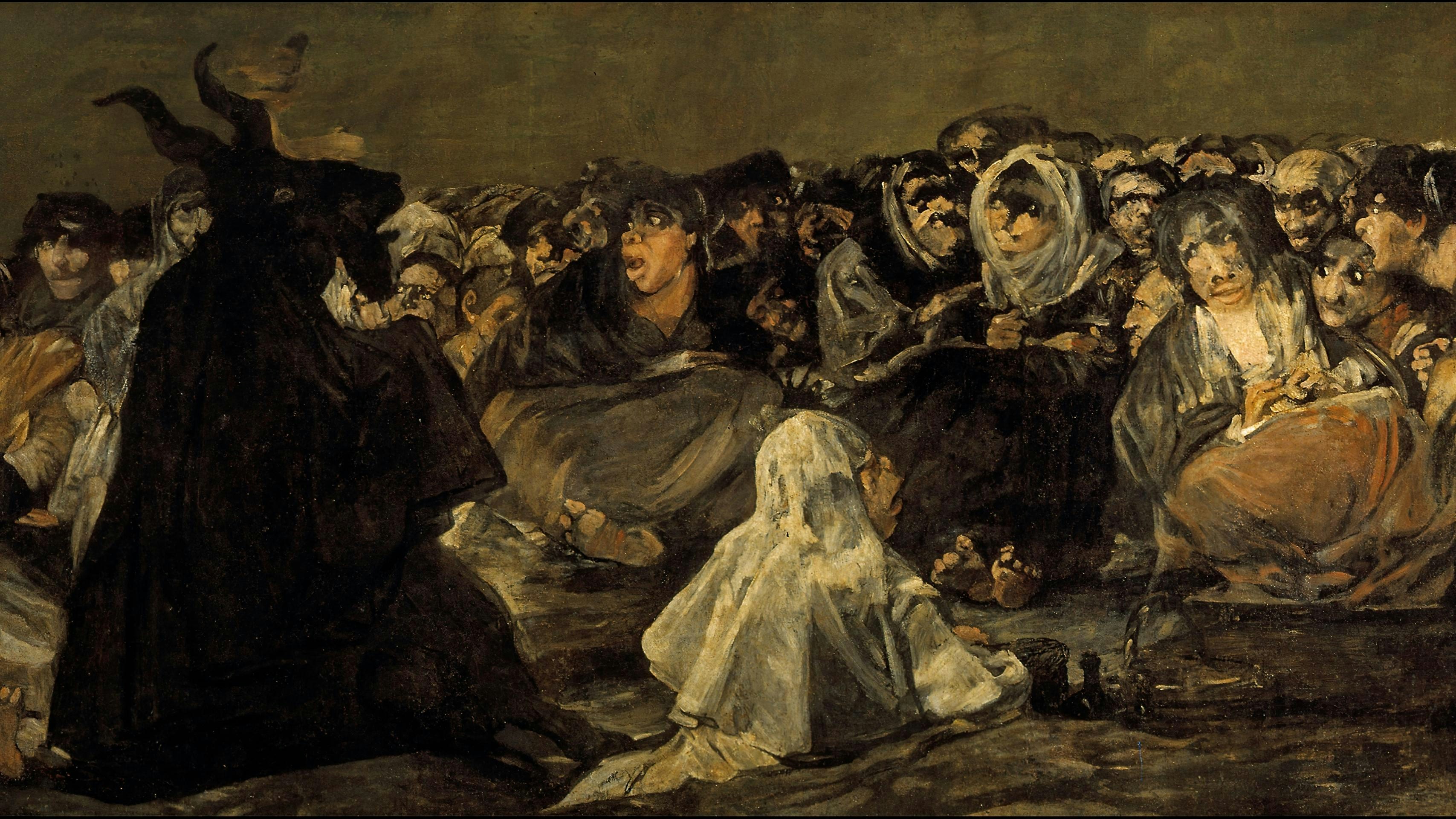
Introduction to the Black Lodge
The Black Lodge represents a clandestine and controversial aspect of modern occult practices, entangled with various esoteric traditions, notably the Temple of Set and the Order of the Nine Angles. Originating in the late 20th century, the Black Lodge is often perceived as both a philosophy and a dark spiritual movement that embraces a radically individualistic worldview. Proponents of this ideology advocate for the transcendence of conventional morality, often seeking a reclamation of personal power through initiatory rites and mystical practices.
The Temple of Set, founded by Michael A. Aquino in the 1970s, functions as a religious structure dedicated to the worship of Set, the ancient Egyptian deity representing chaos and darkness. This organization diverged from traditional Satanism, emphasizing self-deification and the enhancement of faculties that elevate one’s consciousness beyond typical human limitations. In a similar vein, the Order of the Nine Angles espouses a belief system that promotes the cultivation of dark energies and the pursuit of personal transformation through rigorous discipline and often controversial practices.
Both groups share a foundational belief in the concept of ‘the Dark Path,’ which acts as a counter-narrative to mainstream spiritual practices. Their philosophies invite individuals to confront their deepest fears and desires, asserting that embracing darkness is essential for achieving higher states of existence. Such ideologies challenge conventional norms regarding morality, ethics, and the nature of humanity itself, leading many to view the Black Lodge as a radical reclamation of autonomy and spiritual sovereignty.
This introduction aims to provide a foundational understanding of the Black Lodge’s complex intertwining with the Temple of Set and the Order of the Nine Angles, setting the stage for a deeper exploration of their practices, incidents, and the overarching philosophies that define these dark cults.
Philosophy and Beliefs
The Black Lodge, often intertwined with the philosophies of the Temple of Set and the Order of the Nine Angles, presents a unique worldview that challenges conventional notions of spirituality and humanity. Central to their belief system is the concept of ‘transcending humanity.’ This idea posits that individuals must go beyond the limitations of the human experience, seeking a higher state of existence, often through rigorous self-examination and transformation. Adherents believe that true enlightenment can only be attained by shedding the perceived weakness and moral constraints typically associated with human nature.
Their interpretation of spirituality is heavily influenced by a gnostic perspective, where the material world is viewed as a veil obscuring deeper, more profound truths. Followers of the Black Lodge often adhere to a dualistic worldview, distinguishing between a higher, divine intellect and the mundane reality that they aim to escape. This philosophy breeds a sense of elitism; practitioners regard themselves as restless pioneers, tasked with reaching a transcendent state through their unique path, which is often fraught with techniques deemed controversial or extreme.
A particularly contentious aspect of their belief system is the notion of ‘spiritual purification’ through violence. This premise suggests that acts of aggression or confrontation serve as necessary catalysts for personal growth and the purification of the spirit. Such beliefs are rationalized as a means of engaging with the chaotic aspects of existence, as practitioners often hold that confronting darkness is essential for achieving the enlightenment they seek. By embracing conflict—both internal and external—adherents believe they are paving their way toward a refined, empowered self that aligns closer to their interpretation of divine will. This perspective fosters a culture that not only embraces but encourages a radical departure from mainstream ethical standards, raising significant moral questions about the means by which the Black Lodge pursues its aspirations.
Notorious Practices and Rituals
The Black Lodge, often associated with the Temple of Set and the Order of the Nine Angles, has been notorious for its esoteric practices and rituals. Central to these practices is the concept of achieving higher states of consciousness through extreme means, which many consider morally and ethically questionable. One of the most infamous rituals is the use of ‘sacrificial logs.’ These logs are not merely symbolic; they represent an actual commitment to practices that the members believe necessary for spiritual development. The act of sacrifice, whether literal or metaphorical, is viewed by practitioners as an essential rite that transcends standard ethical constructs.
Additionally, the rituals often encompass ceremonial magic, which incorporates various elements of worship and invocation of demonic entities. Practitioners engage in elaborate ceremonies designed to harness dark energies, with the belief that such forces can facilitate personal transformation and empowerment. The members view these actions as means to break free from societal norms and limitations, striving instead for an unbounded existence beyond the ordinary human experience.
Rituals common within the Black Lodge also include the formation of covens, where intimate bonds are forged between members. These gatherings serve as platforms for shared experiences of transcendence and personal empowerment. The collective participation in dark rites is considered to amplify the potency of the ritual and accelerate the practitioner’s journey toward what they perceive as purification and ascension.
Furthermore, the adherence to these practices is often justified by a philosophical underpinning that regards conventional morality as antithetical to spiritual advancement. Thus, the Black Lodge and its followers embrace these notorious practices, perceiving them not as aberrations, but as sacred pathways leading to enlightenment and liberation from human constraints.
The Darkest Moments: Real-Life Crimes and Murders
The Black Lodge, connected to the Temple of Set and the Order of the Nine Angles, has been associated with some of the most heinous crimes in modern history. Notably, UK serial killer David Myatt, a prominent figure linked to these dark cults, is emblematic of the violent ideologies espoused by members. Myatt’s criminal activities and extreme beliefs raise serious concerns about the influence these cults may have had on individuals seeking to embrace their philosophies. His involvement highlighted the potential for real-world violence emerging from such disturbing doctrines.
Myatt was not only a convicted criminal but also utilized his platform to disseminate the tenets of the Order of the Nine Angles. His writings and teachings often blurred the lines between philosophical treatise and incitement to commit violence. The implications of his actions resonate deeply within the community, casting a long shadow over the cult’s ideals and drawing scrutiny from authorities and the public alike. The very nature of his crimes—targeting vulnerable individuals—clearly demonstrates how the ideology of the Black Lodge can lead to tragic outcomes.
These dark affiliations have triggered extensive media coverage and public discourse surrounding the cult, as investigators delve into the extensive network of followers who may have been influenced by Myatt’s narratives. Such discussions are critical in understanding the broader context in which these violent acts occur. By examining the intertwining of ideology and extreme behavior, society can foster a deeper comprehension of the repercussions stemming from adherence to such cults. In conclusion, the connections between the Black Lodge, its propagators, and criminal activity illuminate the serious dangers posed by cult mentalities in the real world, emphasizing the need for vigilance and critical analysis of radical belief systems.
Societal Impact and Influence
The Black Lodge, alongside other similar cults such as the Temple of Set and the Order of the Nine Angles, has exerted a notable influence on societal perceptions of Satanism and related belief systems. As these groups espouse ideologies that often glorify darkness, chaos, and rebellion against societal norms, they frequently become focal points for discussions surrounding extremism and violence. This impact is magnified by sensationalized media coverage, which often portrays these cults as emblematic of broader societal breakdowns. Such portrayals tend to evoke fear and curiosity, leading to a polarized view of belief systems outside mainstream religions.
Public perception has been significantly shaped by the actions of these groups, notably through high-profile incidents that have been linked to their teachings. For example, the sensationalization of crimes allegedly inspired by Satanism has caused an increase in societal concerns about cults and their potential dangers. Research suggests that this heightened fear can culminate in stigmatization—not just of specific cults, but of alternative belief systems, leading to a broad societal backlash against those exploring non-conventional spiritual paths.
Reactions from authorities and the media often include increased scrutiny and regulatory measures aimed at mitigating perceived threats posed by such groups. Law enforcement agencies may label certain organizations as terrorist or extremist groups, prompting a broader investigation into their activities and networks. The resultant fear can foster an environment in which individuals involved in these movements feel further alienated, potentially reinforcing their commitment to extremist ideologies.
Ultimately, the societal impact of the Black Lodge and similar cults extends beyond mere beliefs; it shapes cultural narratives about freedom of belief, the nature of evil, and the complex interplay between spirituality and violence. This ongoing influence warrants careful examination, as it underscores the entangled relationships between cults, society, and the evolving understanding of belief systems.
Legal Consequences and the Cult’s Downfall
The legal repercussions faced by the Black Lodge, associated with the Temple of Set and the Order of the Nine Angles, significantly impacted its operation and membership dynamics. Over recent decades, authorities have increasingly scrutinized cultic groups, leading to numerous arrests and trials. Members of the Black Lodge have encountered various charges, ranging from fraud and child endangerment to alleged conspiracy related to violent acts. These legal challenges not only disrupted the activities of the cult but also instilled fear among its followers.
One of the most notable cases involved law enforcement agencies launching infiltrations and investigations into the inner workings of the cult. These actions were often initiated due to reports from former members and concerned citizens who were alarmed by rumored illegal activities and abuse within the organization. The media coverage surrounding these legal battles played a crucial role in raising public awareness and fostering skepticism about the cult’s legitimacy, contributing to a decline in new membership.
The trials faced by prominent leaders of the Black Lodge produced significant media attention, which exposed the darker aspects of the cult’s practices and beliefs. As evidence against key figures emerged, it led to an increased backlash from both the public and local governments. Consequently, this allowed for stricter regulations regarding cult operations, making it difficult for such organizations to maintain their clandestine influence.
Broader societal implications were observed as communities began to adopt a more vigilant stance toward the presence of cults. The legal actions taken against the Black Lodge served as a deterrent to potential recruits who might have otherwise been intrigued by the allure of such groups. Thus, the combination of legal confrontations and societal pushback played a fundamental role in the eventual decline of the Black Lodge and its associated factions.
Contemporary Relevance and New Age Movements
The ideologies associated with the Black Lodge, particularly those emanating from the Temple of Set and the Order of the Nine Angles, have found a somewhat unexpected resonance in modern New Age movements. As the contemporary society navigates through diverse cultural landscapes and spiritual awakenings, some themes prevalent in the philosophies of the Black Lodge are being adapted and reinterpreted within New Age frameworks. This adaptation not only demonstrates the lasting significance of these ideologies but also illuminates the broader phenomenon of the syncretism that characterizes many modern spiritual practices.
One primary area of relevance lies in the allure of personal empowerment and self-deification that both the Black Lodge and various New Age movements propagate. New Age philosophies frequently emphasize self-discovery, personal growth, and the transcending of traditional moral boundaries. These principles echo the underlying motifs of the Black Lodge, which often promote an individual’s quest for power and enlightenment. For instance, practices such as chaos magic and other esoteric techniques found within the New Age sphere may lift elements directly from the Black Lodge’s teachings, demonstrating a blending of historical and contemporary thoughts.
The recruitment tactics of the Black Lodge can also be observed in how New Age groups operate, often utilizing an inviting and inclusive framework that appeals to individuals seeking alternative spiritual experiences. By leveraging an accessible language and focusing on individual autonomy, these movements can draw in individuals disenchanted with conventional belief systems. As such, the Black Lodge’s strategic methods of engagement—predicated upon the allure of exclusive knowledge and the promise of spiritual ascendance—may subtly influence how modern groups curate their outreach efforts.
Thus, while deeply rooted in darker historical contexts, the ideologies of the Black Lodge continue to adapt and manifest, influencing New Age movements through a continuously evolving dialogue between old beliefs and new expressions.
Experts’ Views and Criticism
The exploration of cults, particularly dark groups such as the Black Lodge, invites an array of expert opinions that underscore the complexities surrounding these organizations. Sociologists often express concerns regarding the social dynamics within such cults, where individuals may experience intense psychological manipulation. These social structures are characterized by authoritarian leadership that fosters dependency and conformity among members. They suggest that the insular nature of such groups, which often promotes a sense of elitism and separation from mainstream society, can exacerbate feelings of alienation in individuals, further solidifying their commitment.
Psychologists delve into the individual psychological effects of participation in dark cults. Many highlight the potential for narcissistic ideologies to flourish in these environments, where members might be led to believe that they possess unique insights unavailable to the general populace. This belief can intensify commitment but can also result in detrimental psychological consequences, including anxiety, depression, and increasing isolation from familial and social ties. Furthermore, the manipulation of cognitive dissonance—where members reconcile contradictory beliefs—has been noted as a common tactic that can leave lasting psychological scars.
From a criminological perspective, experts critique the response of society to such extreme belief systems. While there is acknowledgment of the need to monitor these groups due to potential criminal behavior, there is also criticism regarding how fear can lead to stigmatization of individuals affected by these cults, isolating them further. The challenge remains in balancing civil liberties with the need for public safety. Understanding the implications of groups like the Black Lodge on both individuals and society as a whole is crucial for developing effective responses and preventive measures against the allure of destructive ideologies.
Conclusion
In examining the Black Lodge, specifically the Temple of Set and the Order of the Nine Angles, we draw several critical lessons that resonate within the realm of societal discourse and mental health awareness. These organizations reflect an intersection of fascination and danger, encapsulating the allure of extremist beliefs that can lead individuals down a destructive path. Understanding such groups is paramount in recognizing the patterns of manipulation and recruitment techniques employed by cults, which often target vulnerable individuals seeking belonging or identity.
Moreover, the exploration of the ideologies espoused by the Black Lodge serves as a poignant reminder of the potential for ideology to breed division and violence. Critical awareness of fringe beliefs allows society to preemptively address the risks associated with radicalization. Engaging in informed discussions on these topics not only sheds light on how such cults proliferate but also reinforces the need for preventive measures within our communities. It is essential to cultivate a culture that promotes mental well-being and social inclusion to mitigate the allure of extremist groups.
In navigating the complexities of cult-related ideologies, it becomes clear that a collaborative effort is required among educators, mental health professionals, and community leaders. Delivering accessible information and promoting awareness can aid in dismantling the appeal of radical beliefs. The implications of the Black Lodge extend beyond individual lives; they influence the fabric of society. Therefore, fostering environments that allow open dialogue on these subjects can empower individuals, helping to shield against the vulnerabilities that such cults prey upon.
Ultimately, understanding the intricacies of groups like the Black Lodge not only helps us comprehend their societal implications but also equips us to counteract the dangerous narratives that can sometimes infiltrate our communities. Promoting education, awareness, and inclusivity will serve as foundational steps in addressing the issues surrounding extremist beliefs.